
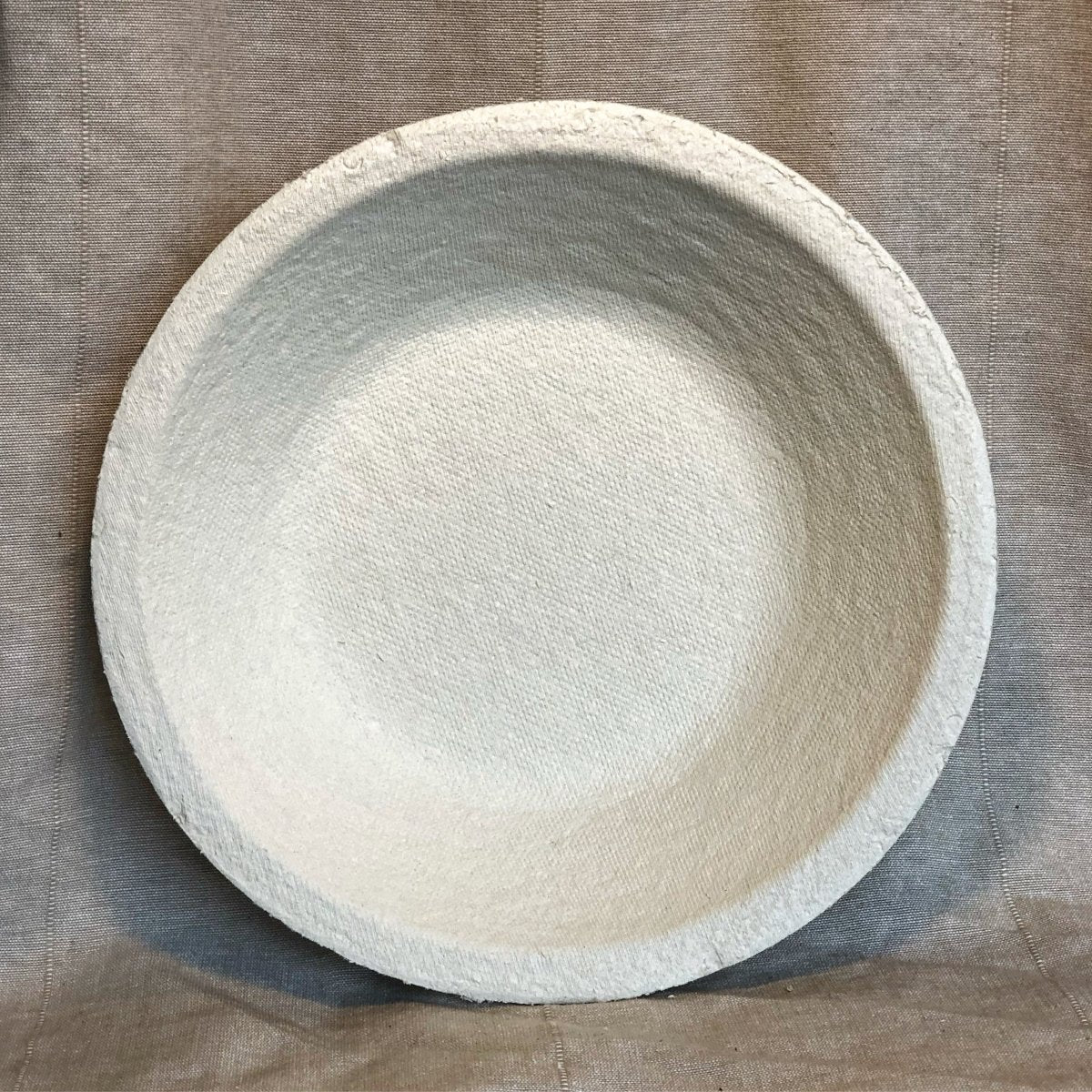
When you start baking sourdough, you can get away with a bowl lined with a floured cloth. But once you've used a proper proofing basket, a banneton, it's hard to go back.
In short
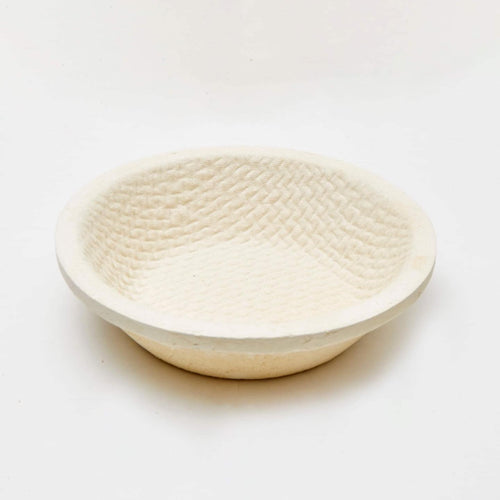
- First basketRound
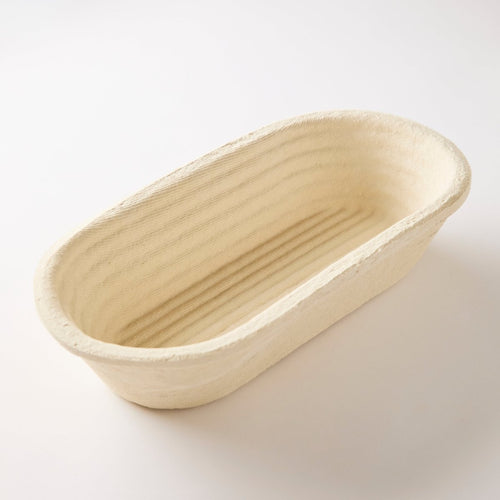
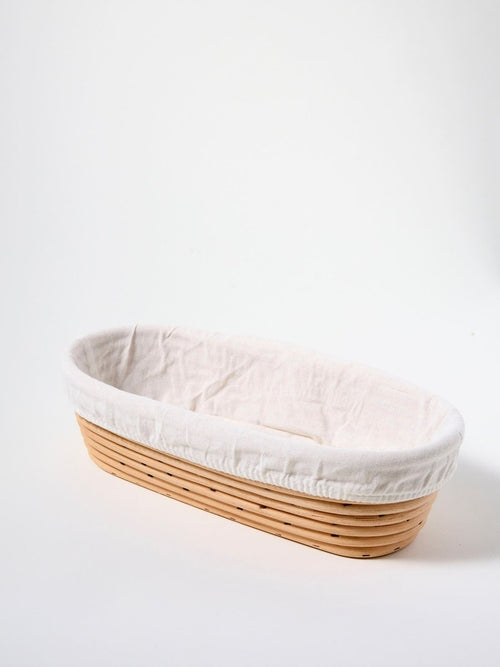
- OvalFor batards and sandwich loaves
- Dust withRice flour
- CleaningDry brush, no soap
What Does a Proofing Basket Actually Do?
Three things:
- Holds the shape, sourdough dough is soft and sticky. A basket supports it during the final proof so it doesn't spread flat.
- Creates the pattern, the spiral pattern from a grooved basket is beautiful and functional: it helps the loaf hold its shape as it expands.
- Wicks away moisture, the basket absorbs surface moisture, giving you a better crust and a cleaner release.
Round or Oval?
It depends on the loaf you want:
- Round basket → classic round boule. Great for everyday sourdough.
- Oval basket → longer batard shape. Better for sandwiches and rye bread.
If you can only choose one, start with a round. Most beginner recipes are written for a boule shape.
Rattan or Pulp?
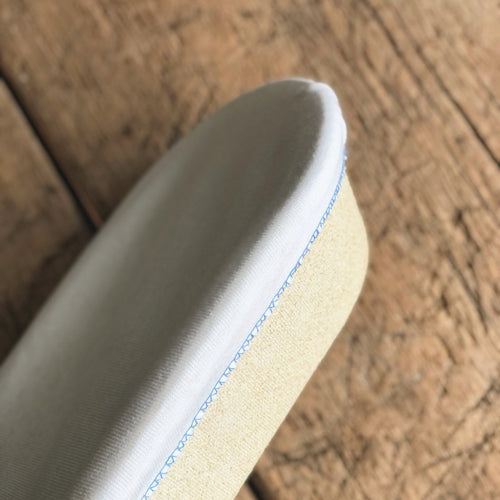
Natural rattan and wicker baskets breathe well and last a long time. Pulp (wood fibre) baskets are smooth, easy to clean and leave a clean surface on the loaf. We stock both.
How to Use and Care for Your Basket
- Dust generously with rice flour before use (it doesn't absorb into the dough)
- After baking, let the basket dry completely before storing
- Never wash with soap, a dry brush is all you need
- Occasional baking of the basket in a low oven (100°C, 15 min) keeps it fresh
Browse our range of proofing baskets, round, oval, smooth and grooved.
Peter, Simpel Surdej
Share on socials:
What's the Best Knife for Sourdough Bread?