

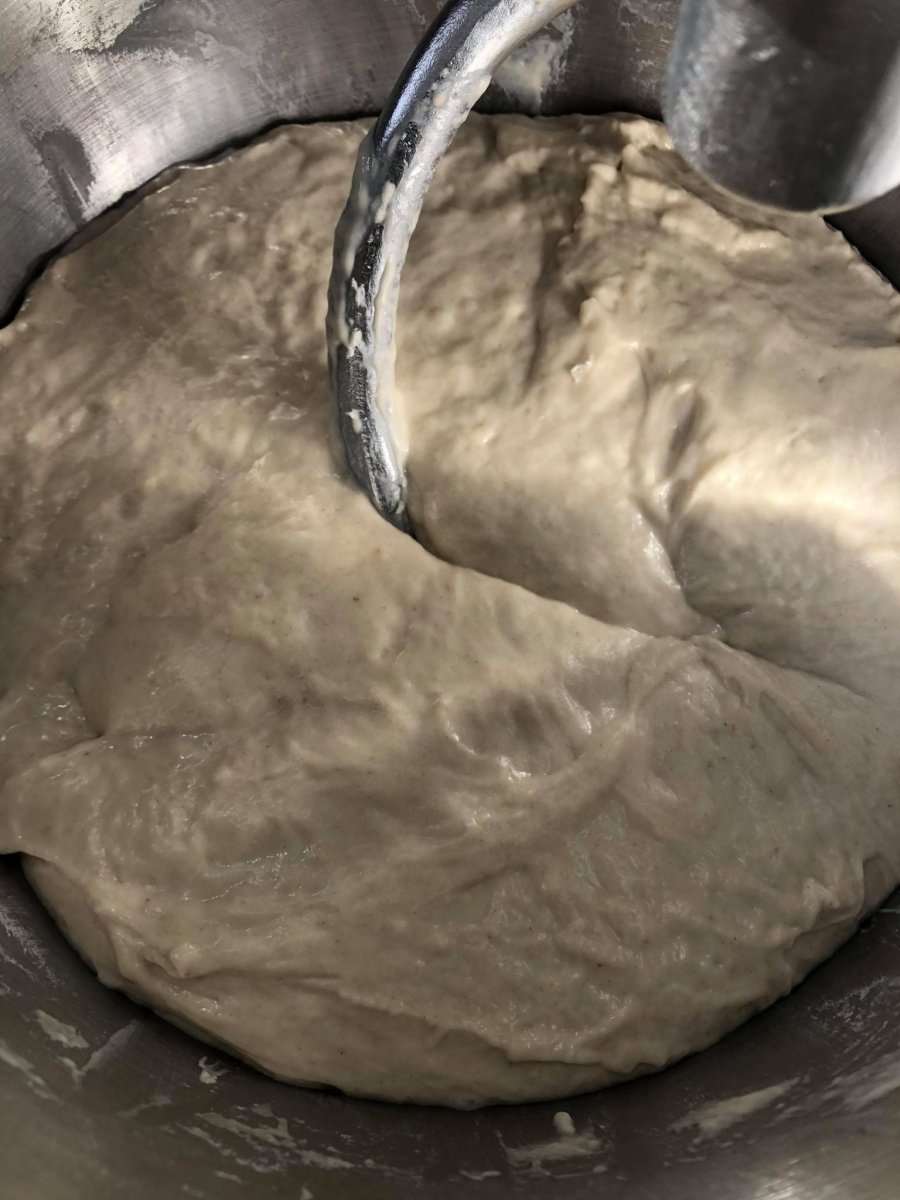
Autolyse is a technique that helps us develop and prepare our dough before it is fully stirred. Gluten forms naturally when flour and water are combined and left to rest. This process is essential for several reasons.
When using a mixer, excessive air can oxidize the flour, causing the dough to lose color and flavor. Autolyse minimizes the need for prolonged stirring and reduces the risk of over-oxidation. It also offers additional benefits such as improved fermentation, taste, dough expansion, and crust browning.
During autolyse, the dough becomes less elastic and more pliable. The hydration of the flour and the action of the enzyme protease contribute to this change. Moreover, autolyse releases sugar from the starch in the flour through the action of amylase. This increased fermentation rate leads to better browning during baking.
For added flexibility, you can incorporate sourdough into the autolyse process, known as fermentolyse. This method is particularly useful when time is limited, as it jumpstarts fermentation and enhances dough expansion.
Autolyse typically lasts for at least 20 minutes, with 1-2 hours being optimal for wheat dough. Longer autolyse periods, especially if using whole grains, allow for better water absorption. Even a short autolyse period can yield benefits, especially with freshly ground or fresh flour.
A helpful tip for sourdough baking is to begin the autolyse process with hot water, around 25-30 degrees Celsius. This elevated temperature boosts enzyme activity, resulting in a more stretchable dough. However, if your mixer tends to heat the dough excessively, start with colder water to prevent undesirable outcomes.
Mastering autolyse unlocks the potential of your sourdough creations. Embrace this technique and experience the difference it makes in your baking endeavors.
Share on socials:
What is Sourdough
The Magic of Autolysis: A Simple Technique for Perfect Sourdough