
Recipe

Sourdough Flutes: Light, Airy & Ready by Morning

Total time14 hours
Active time30 min
4 flutes

Ingredients

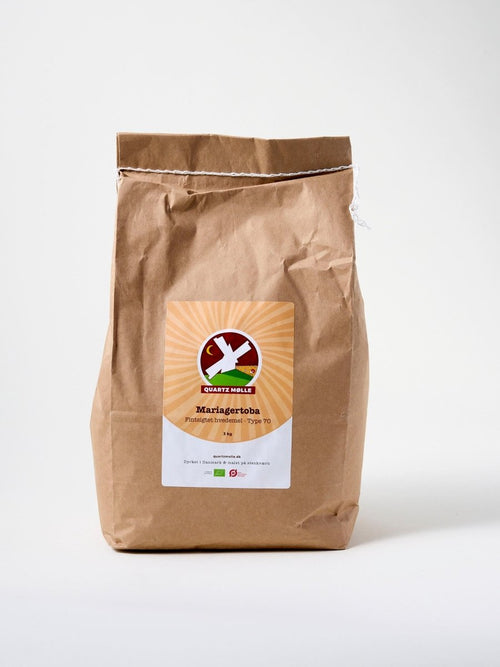
  • 150 g active sourdough starter, fed 6 to 8 hours before
  • 450 g strong bread flour
  • 310 g water, room temperature
  • 10 g salt

Method

Tap a step when it is done.

Evening

  1. Mix the starter, water and flour until no dry flour remains. Cover and rest for 30 minutes.

  2. Add the salt, and do 4 sets of stretch and fold over the next 2 hours, one every 30 minutes.

  3. Cover the bowl tightly and refrigerate overnight, 8 to 12 hours.

Morning

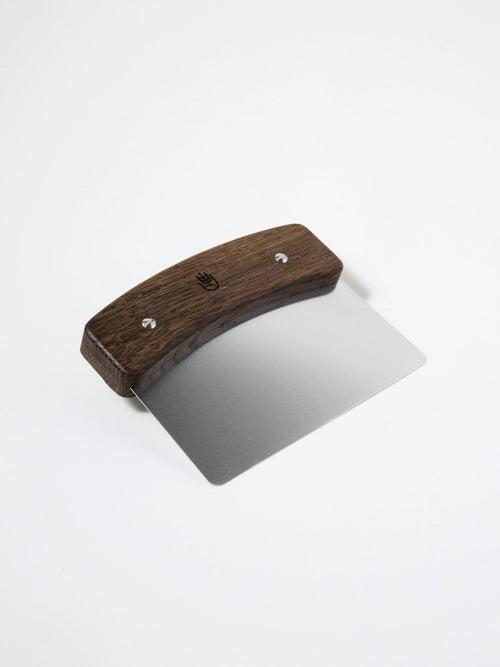
  1. Tip the cold dough gently onto a lightly floured surface, without knocking out the air. Divide it into pieces with a dough scraper.

  2. Shape each piece into a rough rectangle, and roll it gently into a long cylinder of 25 to 30 cm.

  3. Place them seam side down on a tray with parchment. Cover loosely and proof at room temperature for 60 to 90 minutes, until puffed.

Baking

  1. Preheat the oven to 240°C with a small pan on the bottom rack for steam.

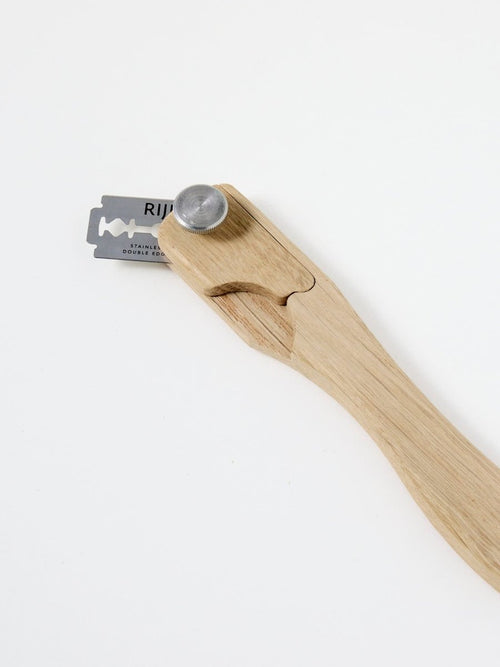
  2. Score each flute with one long slash at a 30 degree angle. Pour boiling water into the pan, and bake for 20 to 22 minutes until deep golden. Remove the water pan after 10 minutes.

  3. Let them cool on a rack for at least 15 minutes.

Best within 2 hours of baking. They freeze well: bake from frozen at 200°C for 8 to 10 minutes.

Sourdough flutes are what you make when you want all the satisfaction of a baguette without the stress of shaping a baguette. Long, golden, crackling crust, with a soft, open interior full of irregular holes and that unmistakeable slow-fermented flavour.

Mix in the evening. Bake in the morning. Eat with butter while still warm.

Why Sourdough Flutes?

Freshly baked sourdough flutes

Flutes sit somewhere between a dinner roll and a baguette, a little shorter, a little more forgiving to shape, but with all the same qualities you're after: a crust that shatters, an airy crumb, and a depth of flavour that instant yeast simply can't produce.

The overnight cold ferment does most of the work. By the time you wake up, your dough has developed flavour for hours while you slept. All that's left is to shape, proof briefly and bake.

The Steam Trick

Steam in the first 10 minutes of baking keeps the crust soft and extensible while the bread springs up in the oven. Without steam, the crust sets too quickly and the flutes can't expand properly. After 10 minutes, remove the water pan and let the dry oven heat finish crisping the crust.

It's a small step that makes a significant difference.

Serving

Sourdough flutes are at their absolute best in the 2 hours after baking, the crust is shatteringly crisp and the interior is still slightly warm and moist. Serve alongside soup, use as a base for open sandwiches, or eat as they are with good butter and a little flaky salt.

They also freeze well. Let them cool completely, wrap tightly and freeze. To serve, place directly in a 200°C oven for 8-10 minutes from frozen.

Peter, Simpel Surdej
Latest Stories

View all

Do You Need a Proofing Basket? (And Which One to Choose)

Do You Need a Proofing Basket? (And Which One to Choose)

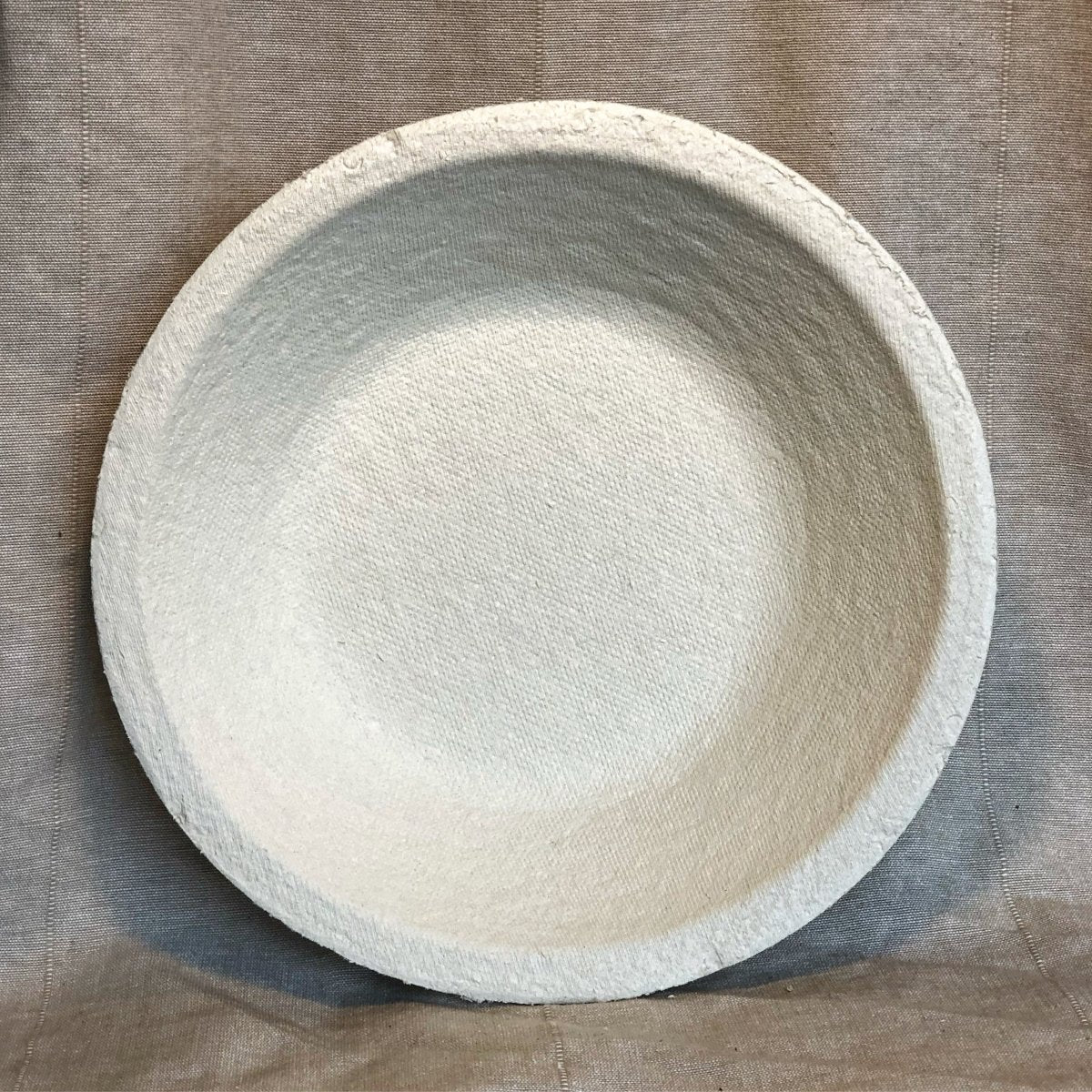
When you start baking sourdough, you can get away with a bowl lined with a floured cloth. But once you've used a proper proofing basket, a banneton, it's hard to go back. In short First basketRound OvalFor batards and sandwich...

Read moreabout Do You Need a Proofing Basket? (And Which One to Choose)

What's the Best Knife for Sourdough Bread?

What's the Best Knife for Sourdough Bread?

You've baked the perfect sourdough loaf. Crunchy crust, open crumb, smells incredible. And then you try to cut it with the wrong knife, and it squashes flat. In short LengthAt least 25 cm BladeDeep serrations WaitAt least 1 hour after...

Read moreabout What's the Best Knife for Sourdough Bread?

What is Autolyse? The Simple Technique That Changes Everything

What is Autolyse? The Simple Technique That Changes Everything

If you've been baking sourdough for a while, you've probably come across the word autolyse. It sounds like something from a chemistry textbook. It isn't. It's one of the simplest, most impactful things you can do in bread baking, and...

Read moreabout What is Autolyse? The Simple Technique That Changes Everything