
Recipe

Sourdough Rolls (Surdejsboller): Light, Fluffy & Easy

Total time24 hours
Active time45 min
10 rolls

Ingredients

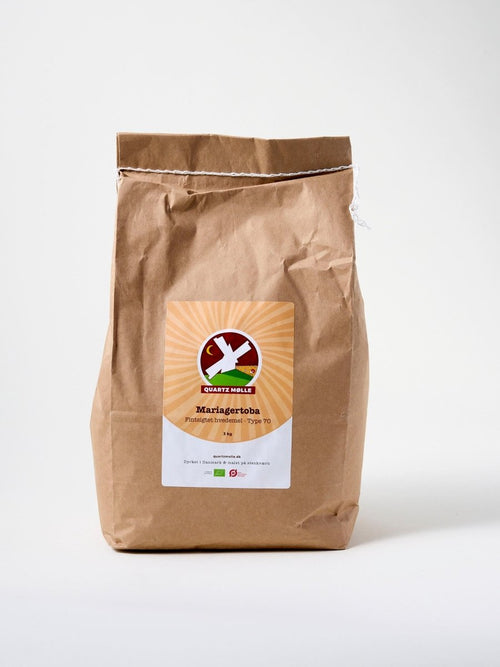
  • 350 g wheat flour, ideally a strong bread flour like Mariagertoba
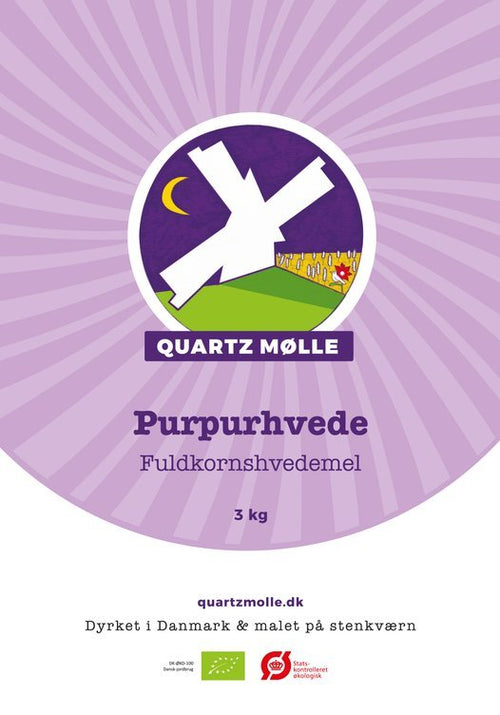
  • 150 g whole grain flour, e.g. purple wheat or Øland wheat
  • 380 g water, room temperature, about 25°C
  • 100 g active sourdough starter, bubbly and at its peak
  • 12 g fine sea salt

For rolling, optional

  • sesame seeds, sunflower seeds or rolled oats

Method

Tap a step when it is done.

Autolyse

  1. Combine the water, flour and starter in a stand mixer, and run it on the lowest speed for 10 minutes. Cover and let the dough rest for 15 to 30 minutes.

Salt and kneading

  1. Add the salt and mix on low speed for 8 minutes. For the last 2 minutes, turn to maximum until the dough pulls away from the bowl and is smooth and slightly shiny.

  2. Move the dough to a lightly oiled container and let it rest for 15 minutes.

Bulk fermentation

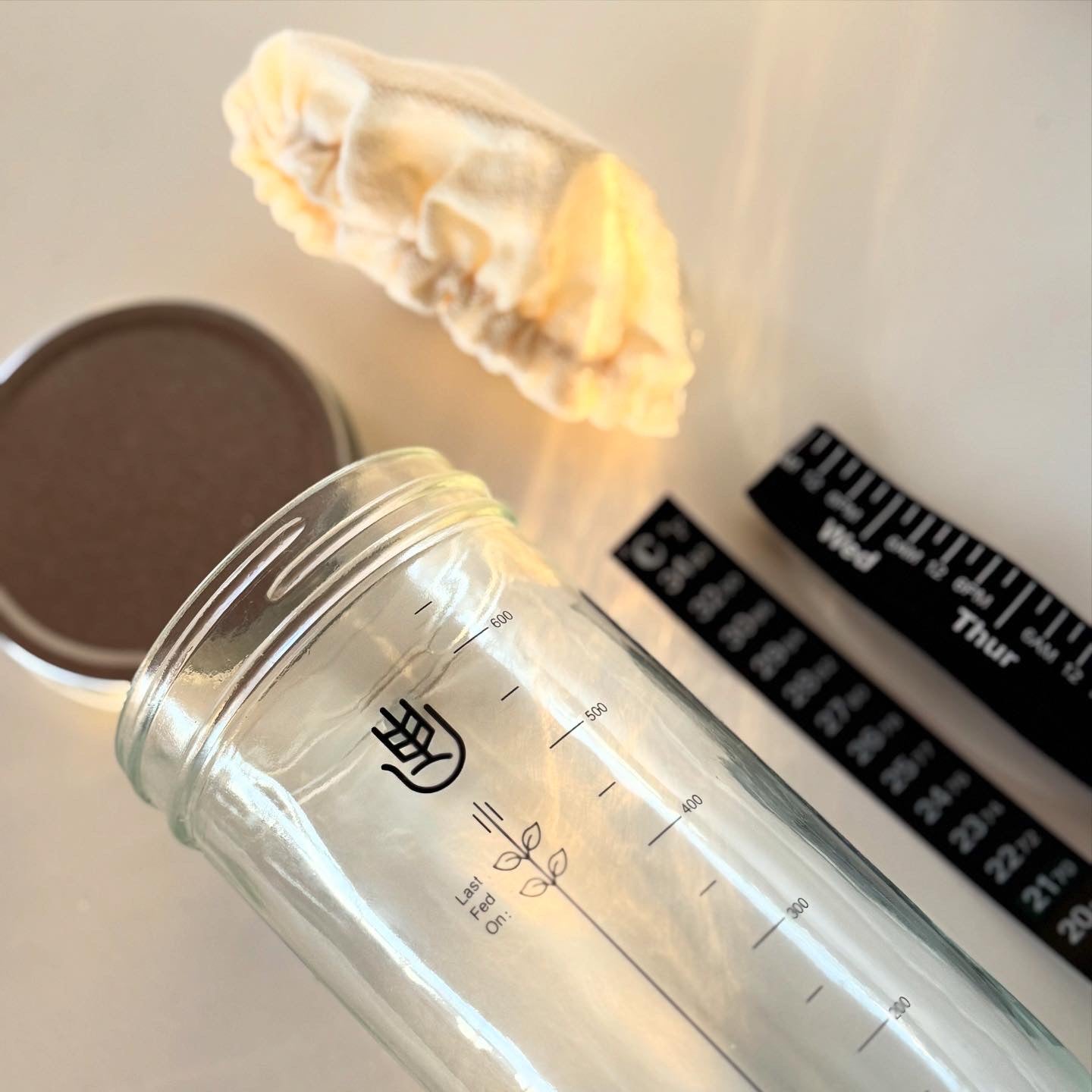
  1. Let the dough rise at room temperature until roughly doubled, usually 4 to 6 hours at 22 to 24°C. Use a small glass of dough with a rubber band to follow the rise.

  2. Refrigerate the dough at 2 to 5°C overnight. To bake the same day, chill it for 30 to 60 minutes before shaping.

Shaping and baking

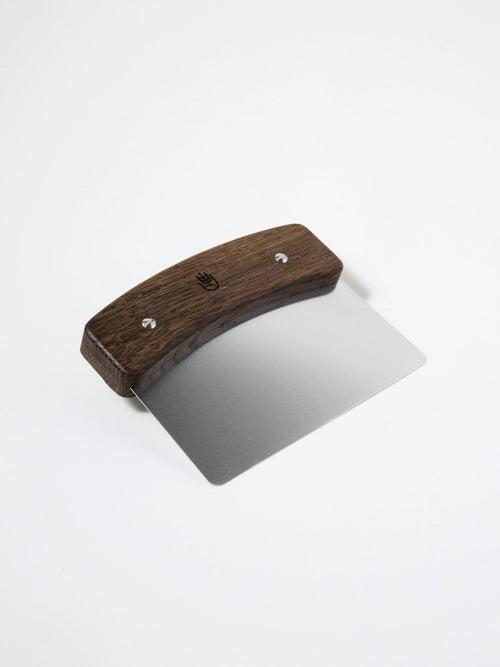
  1. Turn the dough out onto a lightly floured surface and divide it into pieces with a bench knife. For seeds, dip the rolls lightly in water and roll them in the seeds.

  2. Preheat the oven to 240 to 260°C with a baking sheet or baking steel inside for at least 30 to 45 minutes.

  3. Bake the rolls for 12 minutes, with steam for the first 5 to 6 minutes. A shorter bake gives a lighter crust, a longer bake a darker one.

  4. Let them cool on a rack for at least 15 to 20 minutes.

Makes 8 to 10 rolls, depending on size. Hydration is 78 percent. With Mariagertoba or another strong flour you can go up to 85 to 90 percent. Cold fermented dough is easier to shape and has more flavour. From Peter's Sourdough Book.

Sourdough rolls are one of those bakes that makes you realise what bread is supposed to taste like. A thin, crackling crust that shatters when you break it open. A soft, slightly chewy interior. And a gentle, lingering sourness that you don't get from anything made with commercial yeast.

Once you've made these, you'll struggle to go back to shop-bought rolls.

What Makes Sourdough Rolls Different?


The difference is fermentation time. Where a standard roll might be mixed, proved and baked in three hours, sourdough rolls develop over 12-18 hours. During that time, the natural yeasts and bacteria in your starter do something remarkable: they transform a simple mixture of flour, water and salt into something complex, flavourful and deeply satisfying.

The long, cold proof also makes the dough easier to work with, gives the rolls a better crust, and makes them keep longer, a day-old sourdough roll is still excellent. A day-old supermarket roll is not.

Make a Bigger Batch

These rolls freeze brilliantly. Bake a double batch, let them cool completely, then freeze in a zip-lock bag. To serve, place frozen rolls in a 180°C oven for 12-15 minutes. They come out tasting like they were baked that morning.

Serve warm, with good butter. That really is all they need.

Peter, Simpel Surdej
Latest Stories

View all

Do You Need a Proofing Basket? (And Which One to Choose)

Do You Need a Proofing Basket? (And Which One to Choose)

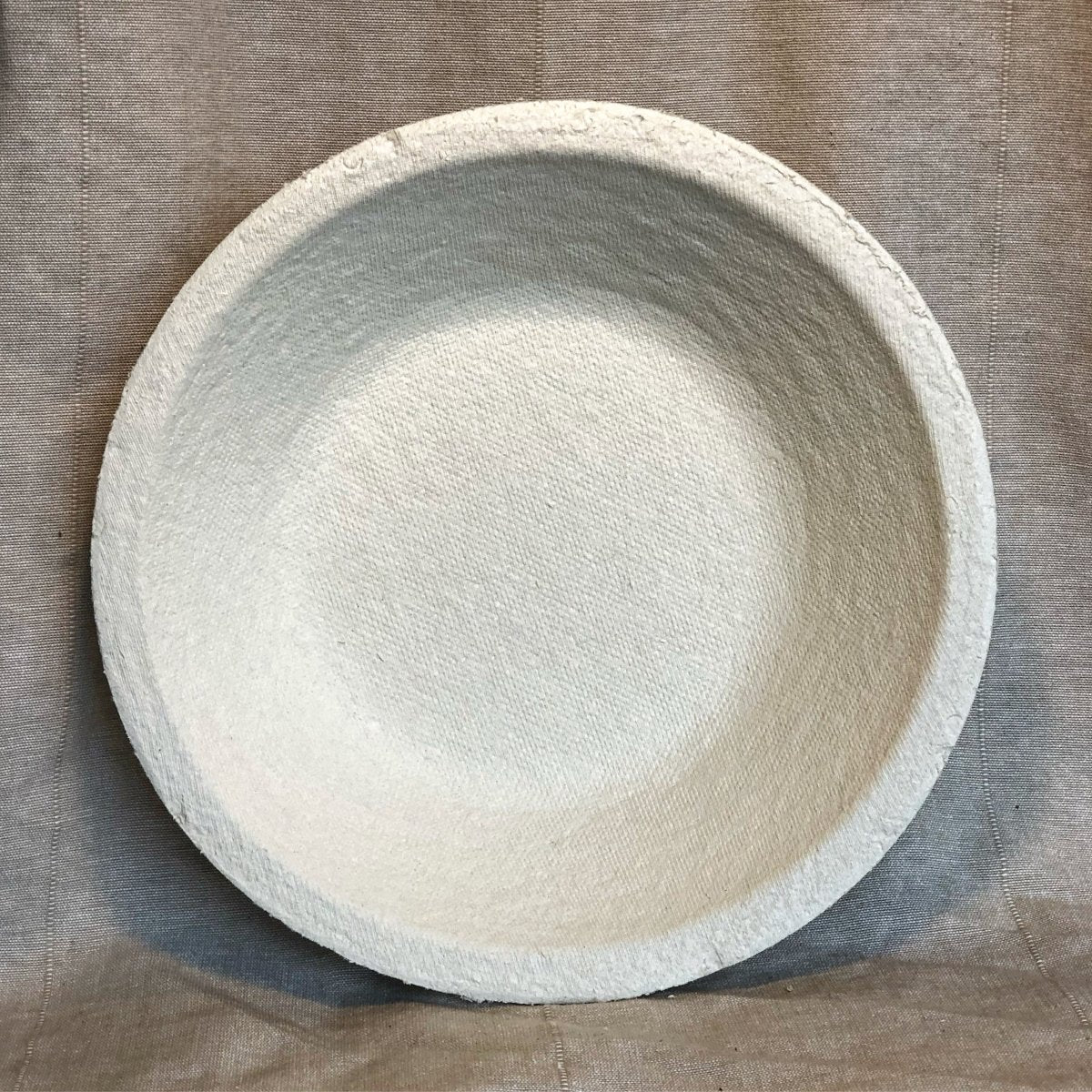
When you start baking sourdough, you can get away with a bowl lined with a floured cloth. But once you've used a proper proofing basket, a banneton, it's hard to go back. In short First basketRound OvalFor batards and sandwich...

Read moreabout Do You Need a Proofing Basket? (And Which One to Choose)

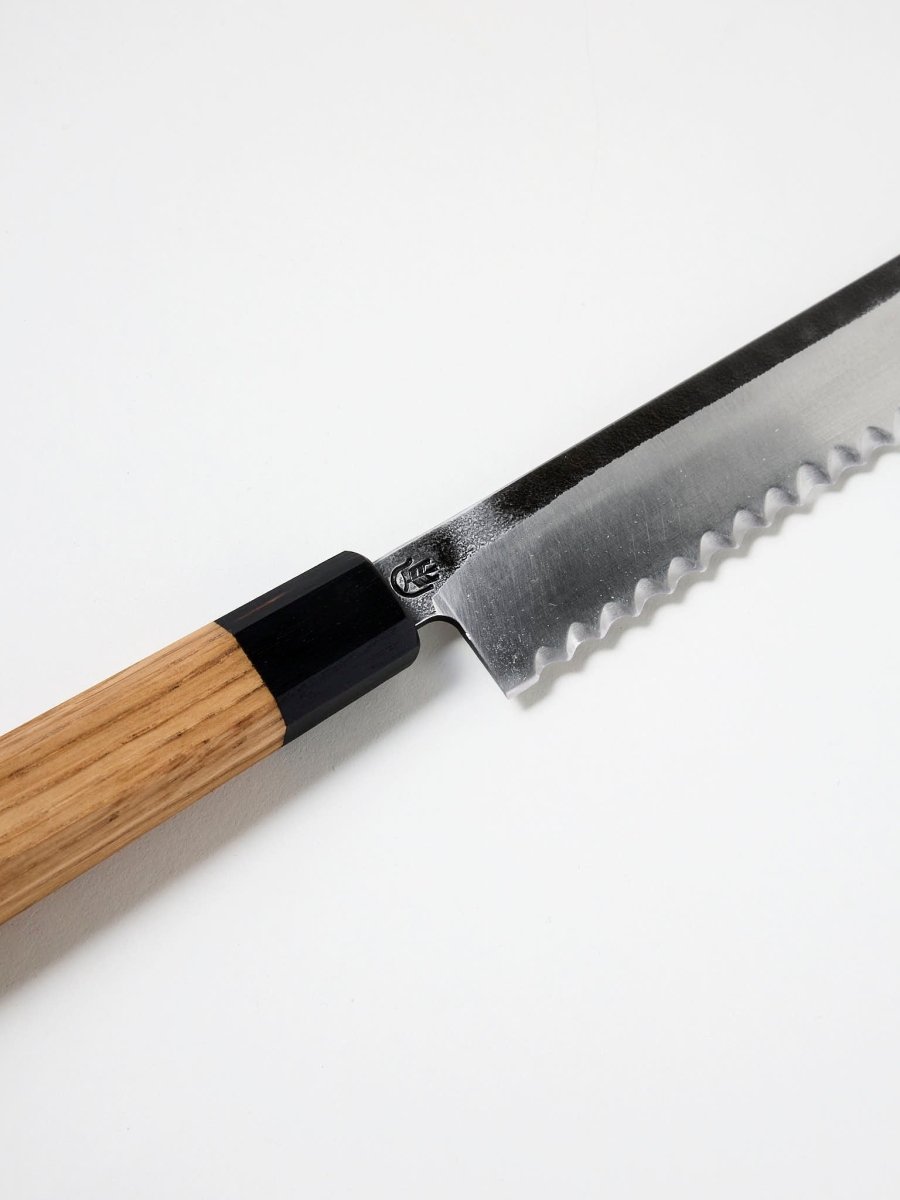
What's the Best Knife for Sourdough Bread?

What's the Best Knife for Sourdough Bread?

You've baked the perfect sourdough loaf. Crunchy crust, open crumb, smells incredible. And then you try to cut it with the wrong knife, and it squashes flat. In short LengthAt least 25 cm BladeDeep serrations WaitAt least 1 hour after...

Read moreabout What's the Best Knife for Sourdough Bread?

What is Autolyse? The Simple Technique That Changes Everything

What is Autolyse? The Simple Technique That Changes Everything

If you've been baking sourdough for a while, you've probably come across the word autolyse. It sounds like something from a chemistry textbook. It isn't. It's one of the simplest, most impactful things you can do in bread baking, and...

Read moreabout What is Autolyse? The Simple Technique That Changes Everything